Declaring America’s
Mineral Independence
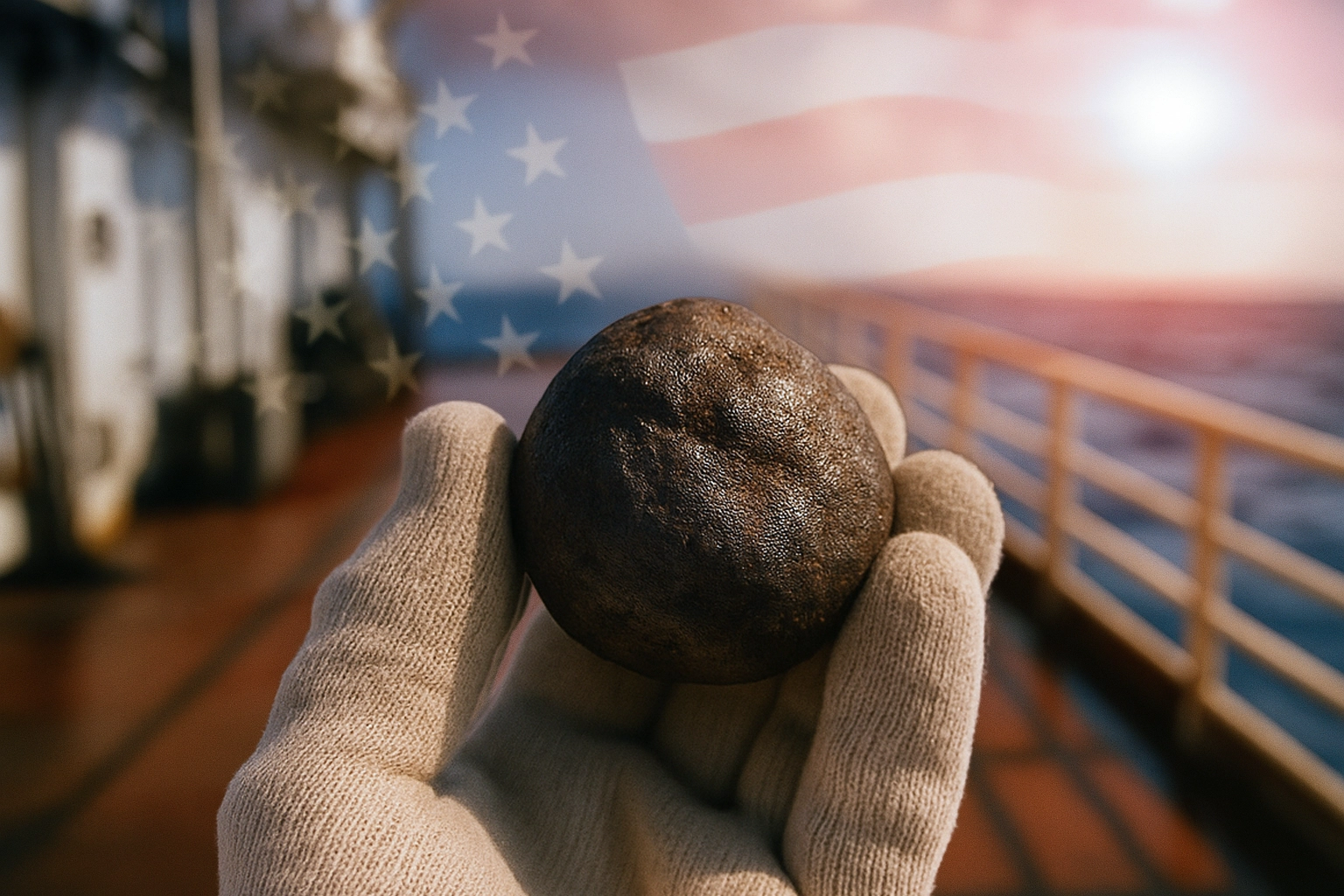

Nickel, cobalt, copper, and manganese, plus 14 rare earth elements. Nodules rest unattached to the ocean floor, easy to access with minimal environmental impact.
Billions of tonnes of nodules are found in oceans, enough to meet U.S. critical mineral demand for the foreseeable future.
Life‑cycle analyses indicate substantially lower (up to ~90% lower CO2) environmental impact and carbon emissions vs. land mining per ton of metal.
Since the 1970s, U.S. and international researchers have mapped and sampled these nodule fields.


.svg)


What We Do
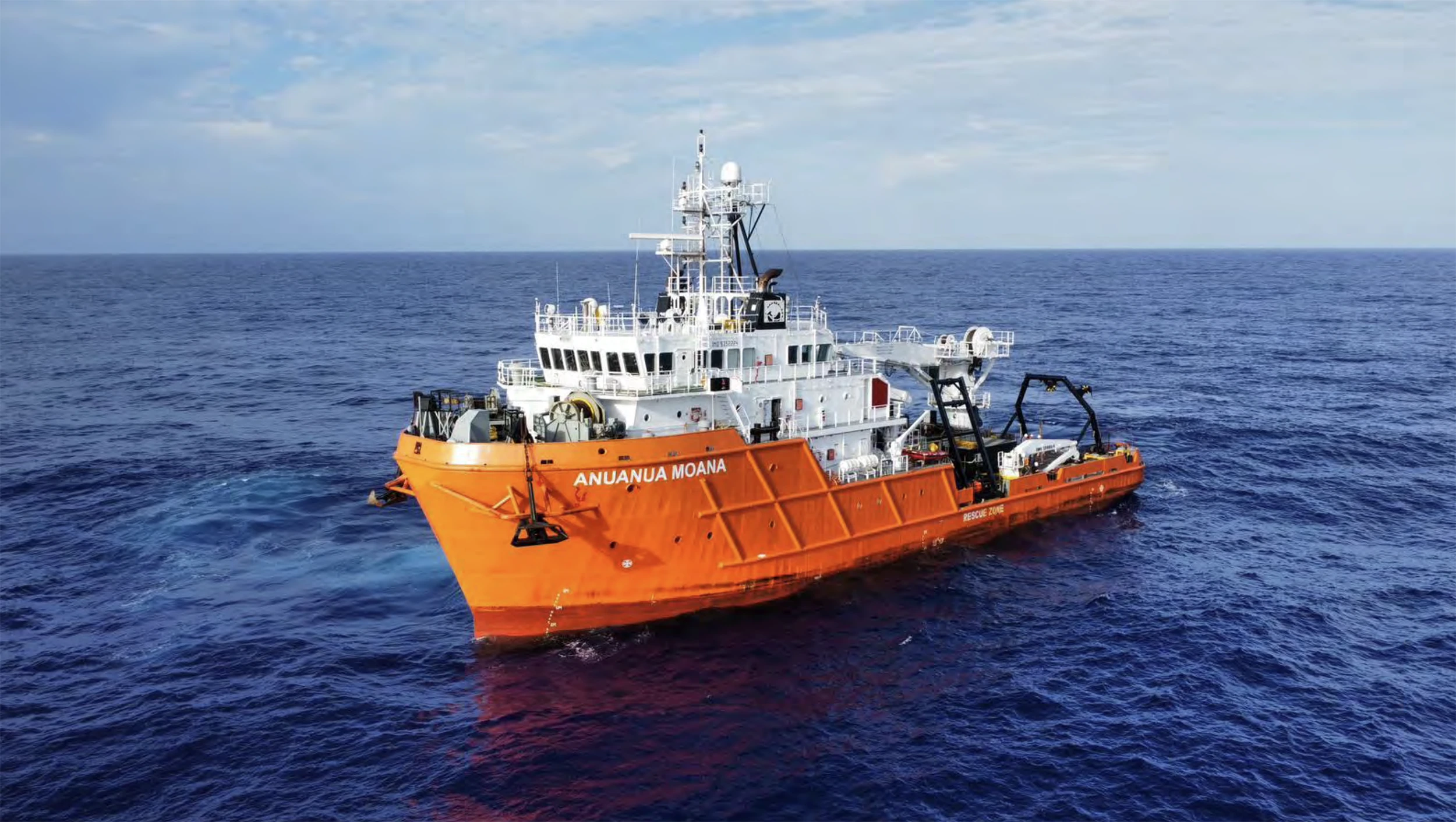
Mapping, imaging, and sampling to delineate high‑value nodule fields responsibly
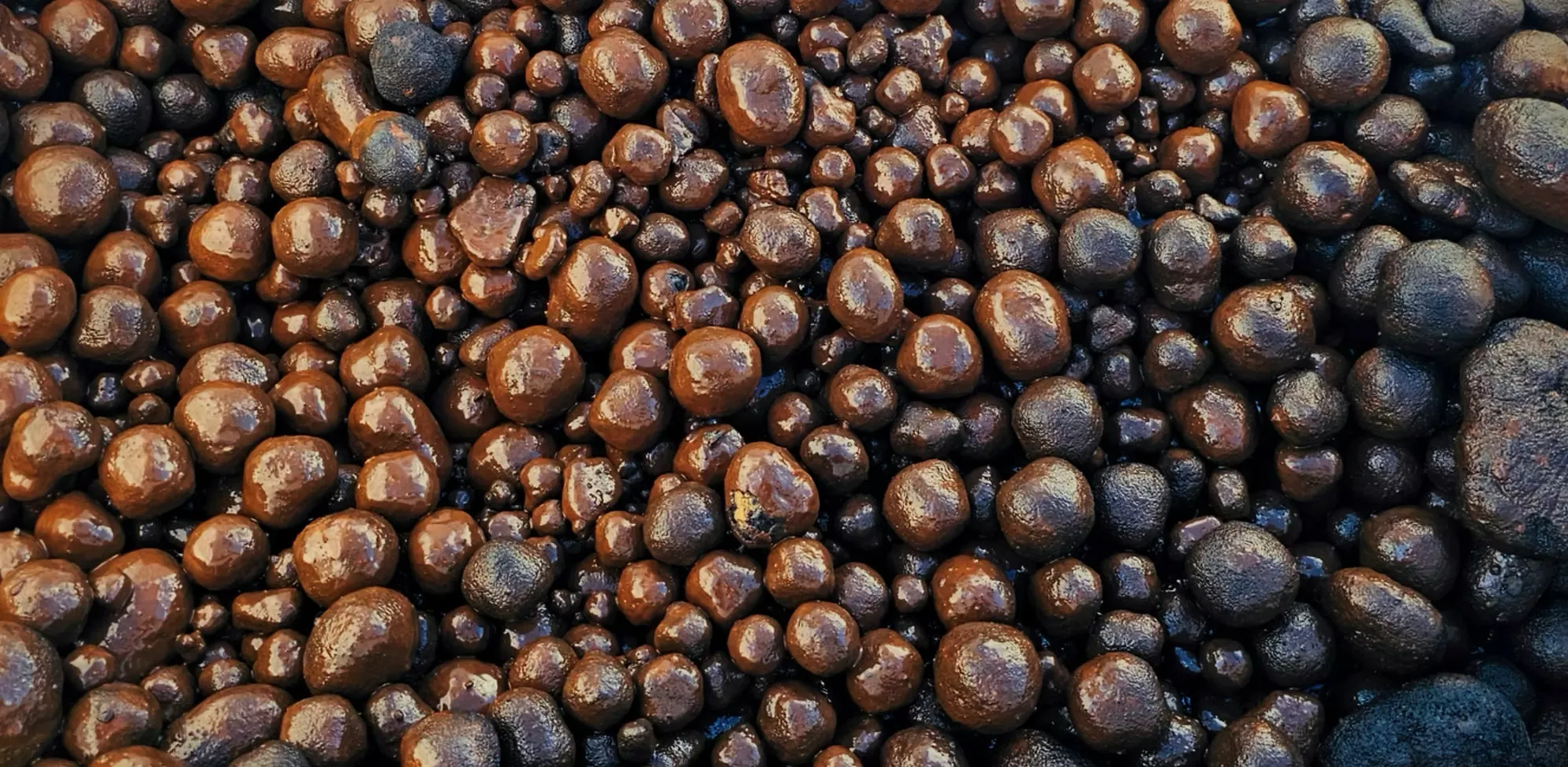
Deploying proven subsea technology to collect unattached nodules while minimizing both seabed and water column disturbance
Teaming with top U.S. and allied engineering, shipbuilding, and research organizations to amplify our capabilities and access

A single platform uniting AOM-controlled and contracted areas with research and harvesting ships, logistics management, and U.S.-based processing

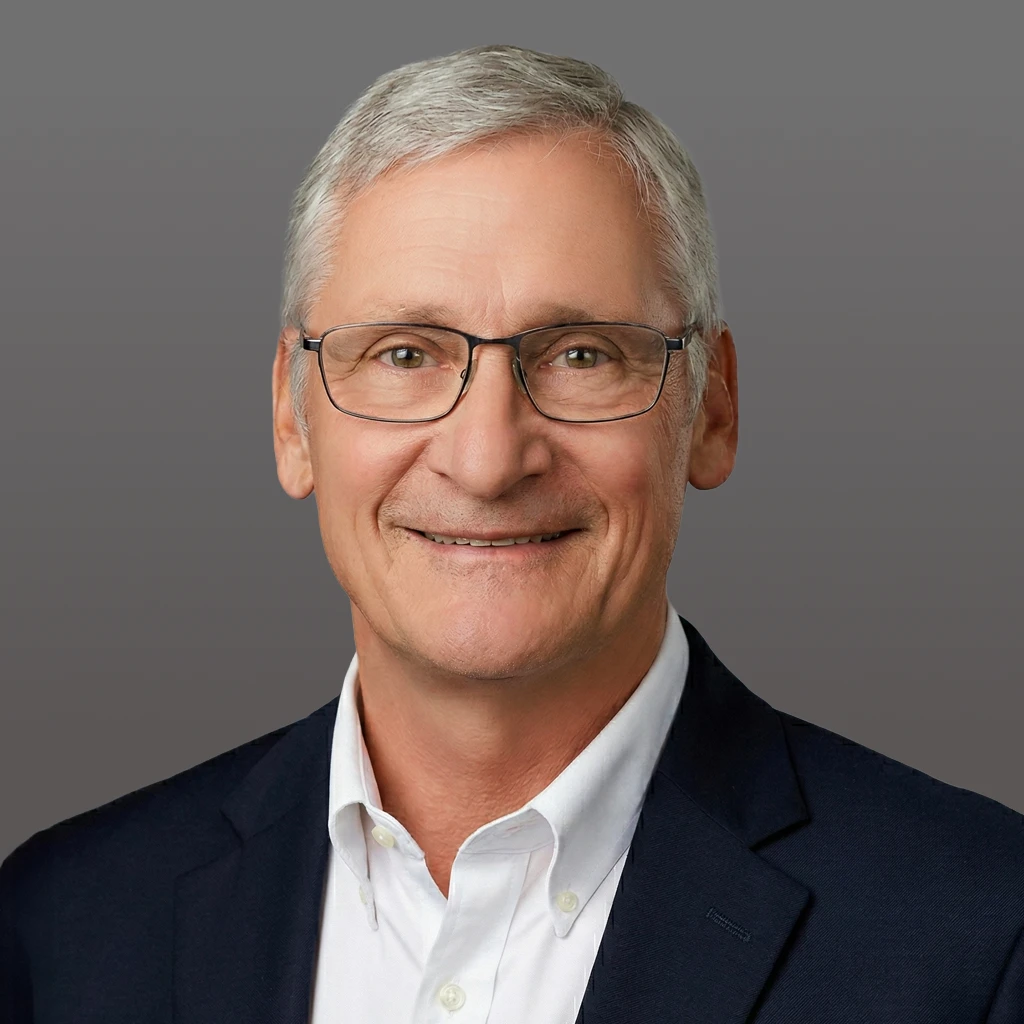
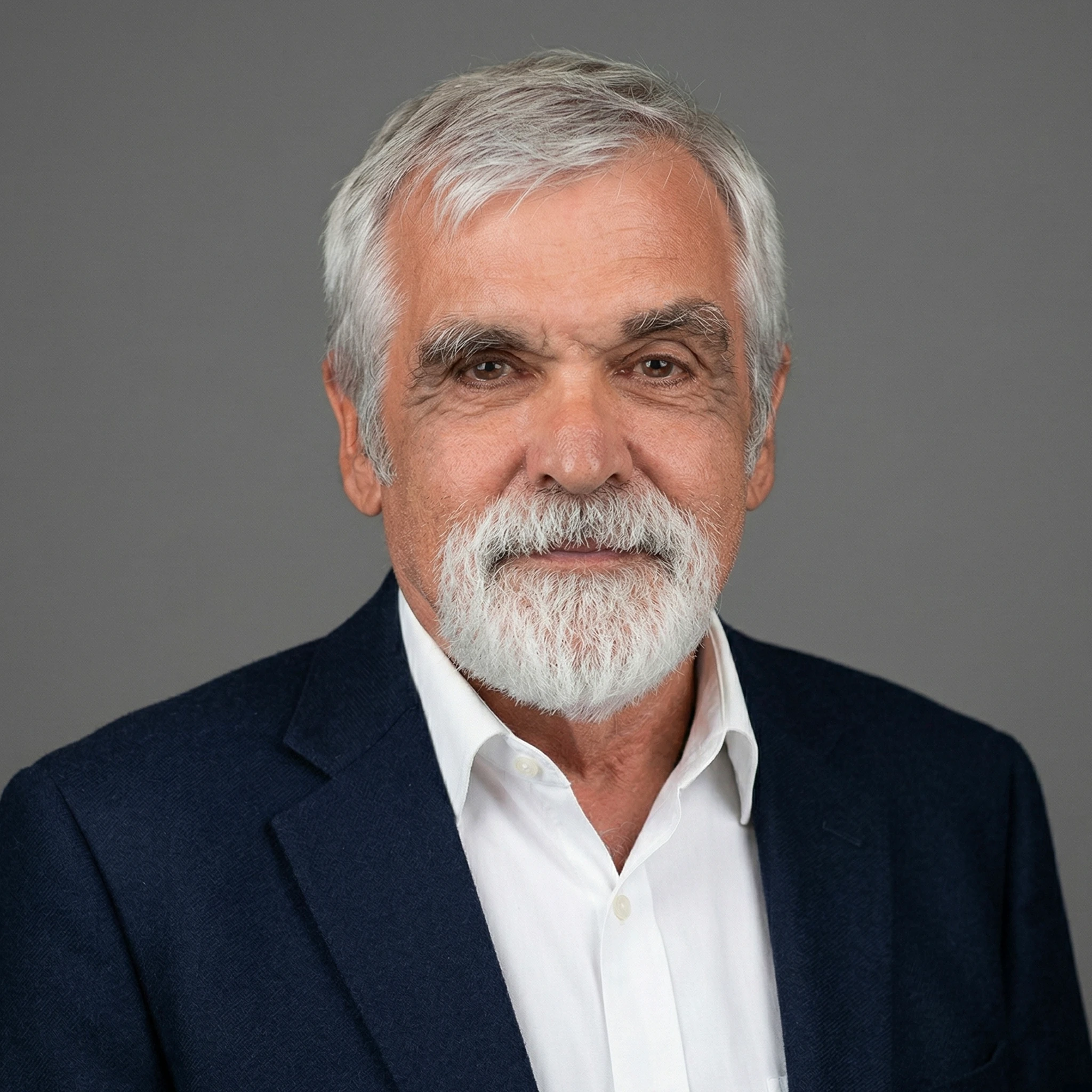
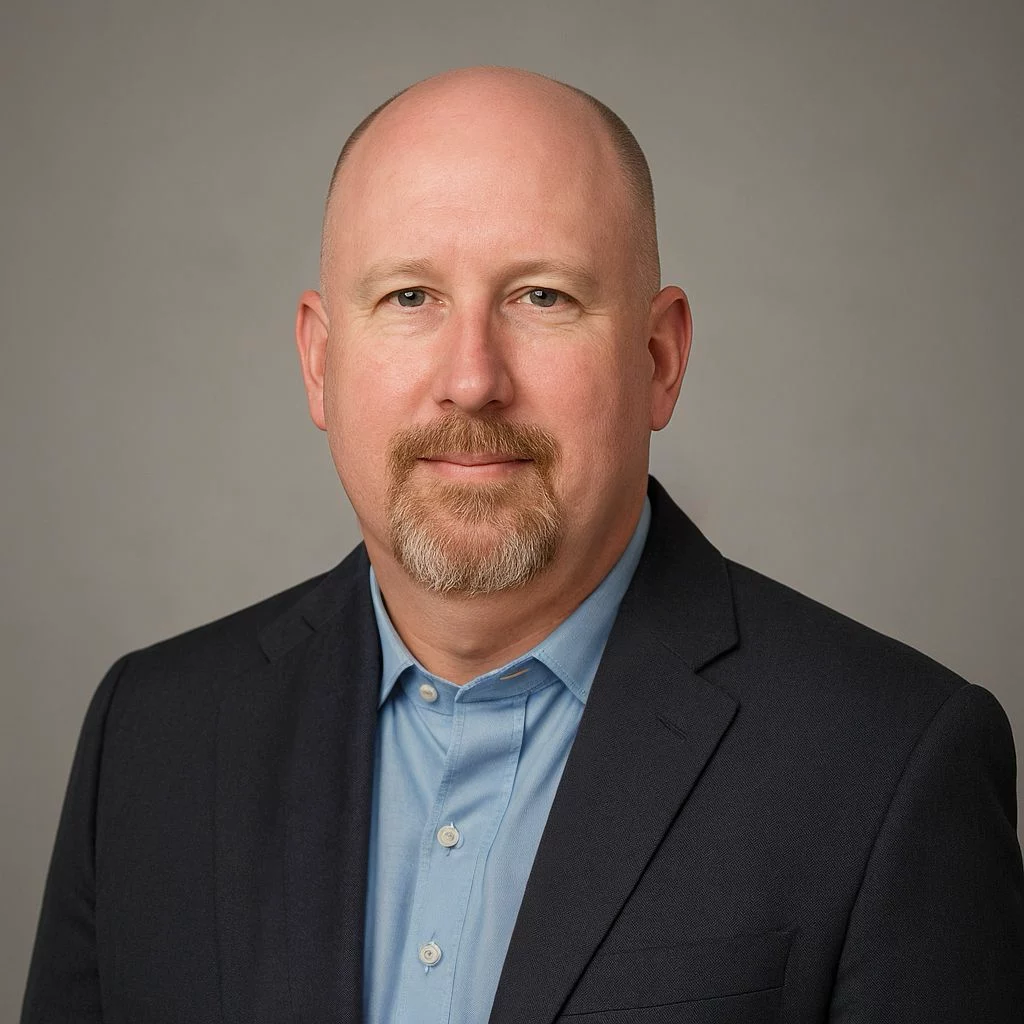
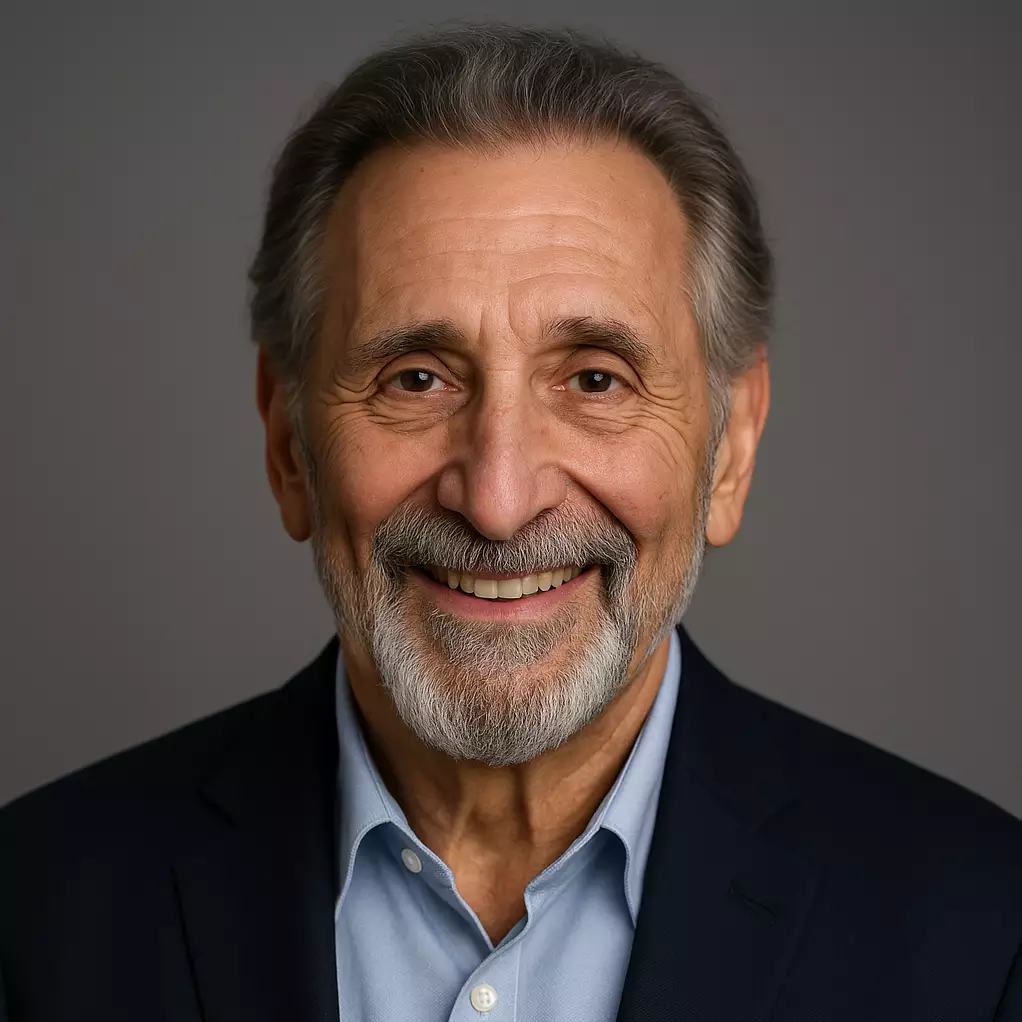
Meet the Team
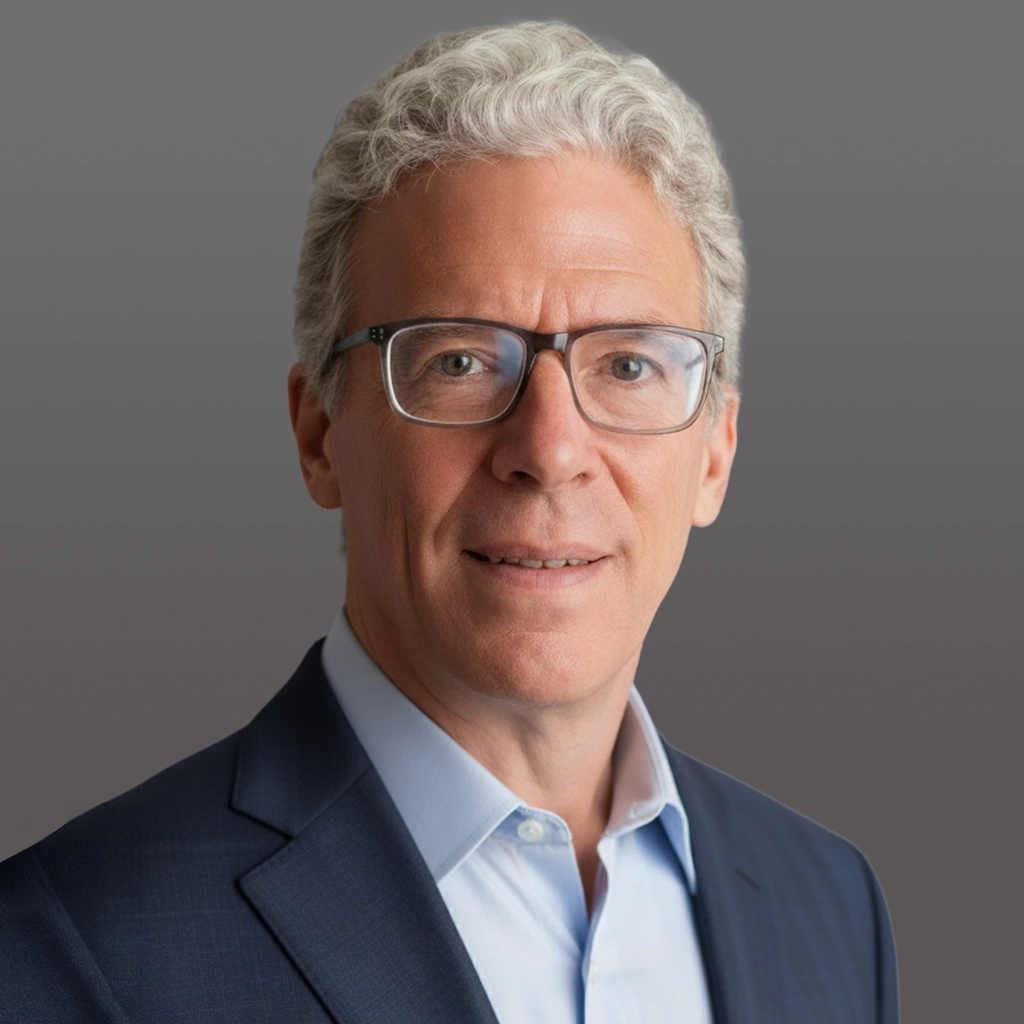
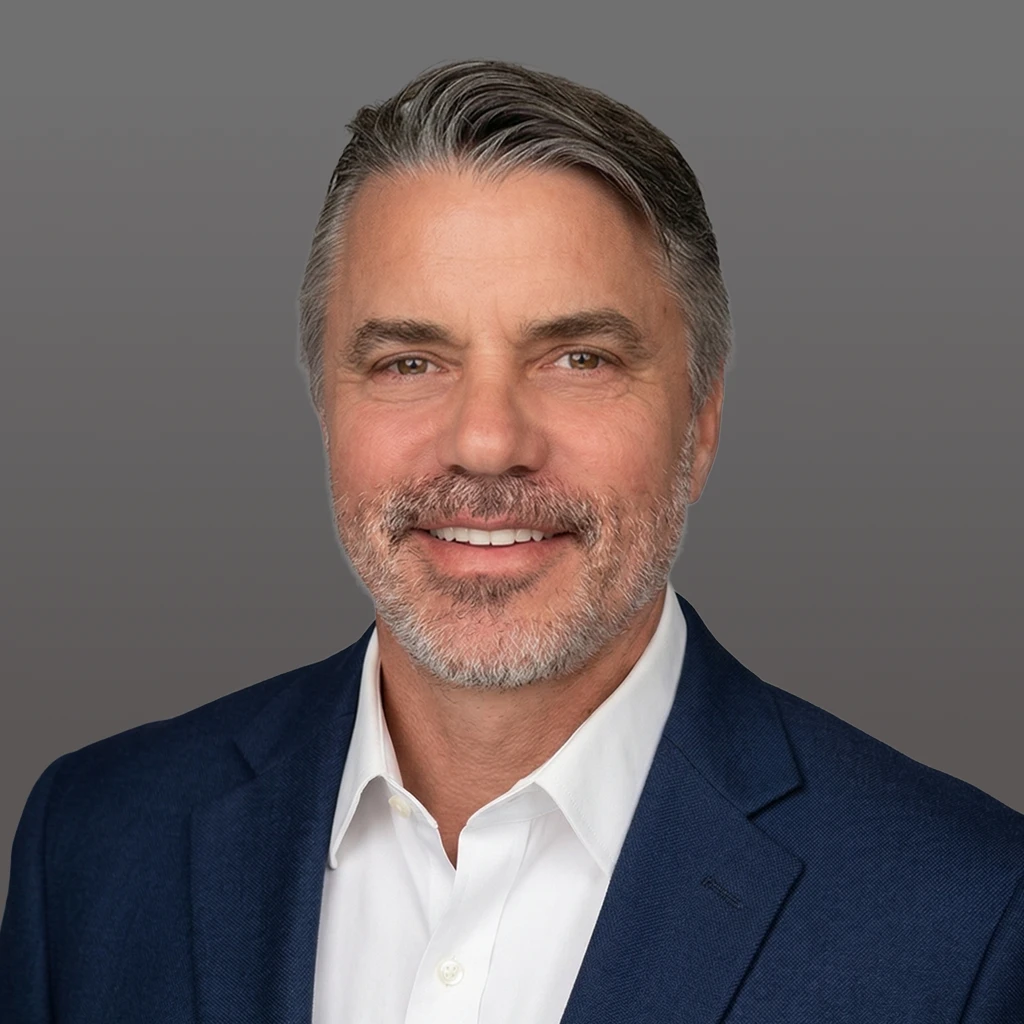



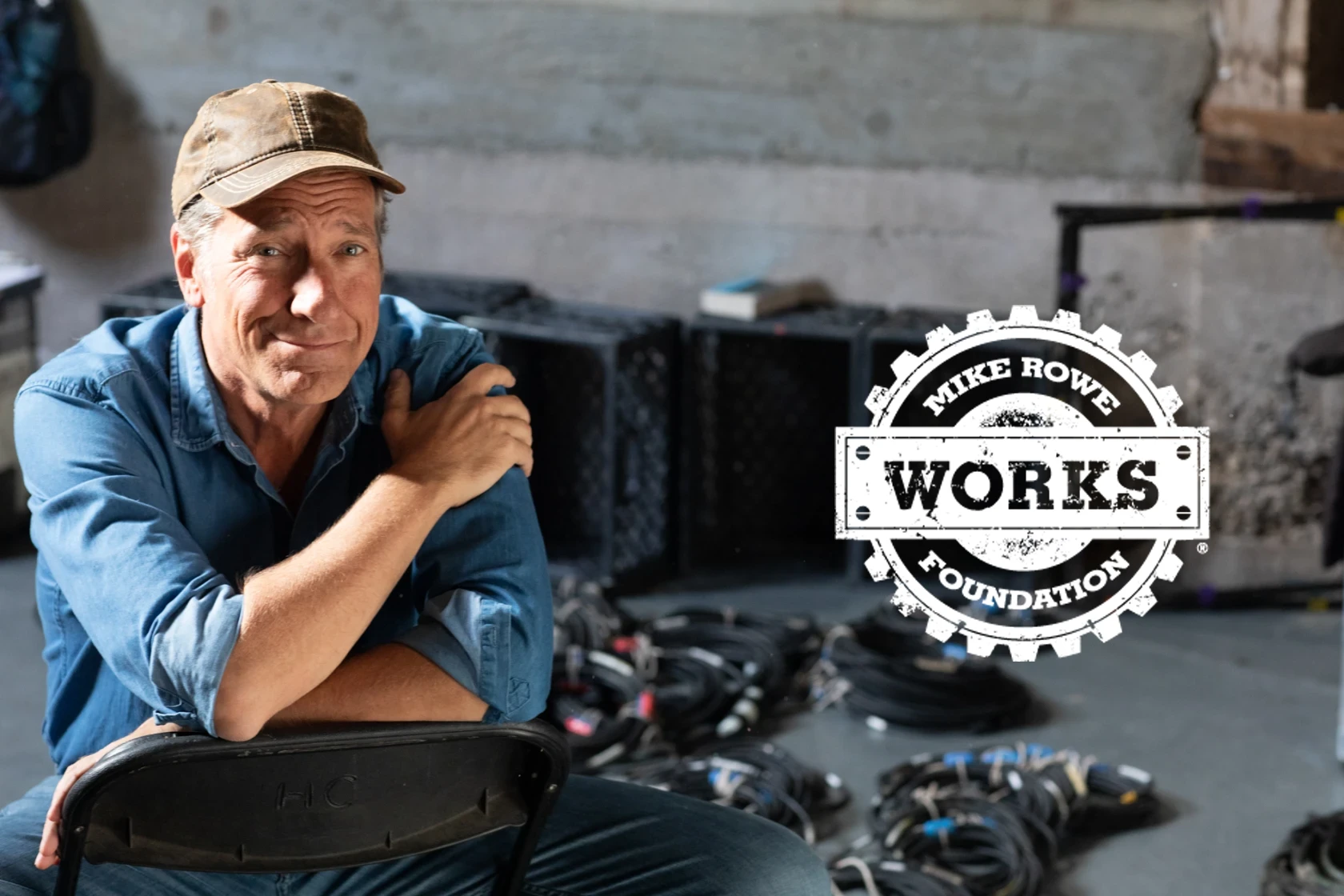
In collaboration with AOM, Mike Rowe and mikeroweWORKS, AOM is planning to develop a multi-generational pool of skilled industry professionals for America’s next industrial frontier.
At full scale, AOM believes this emerging industrial category could support up to 100,000 American jobs across shipbuilding, offshore operations, subsea systems, ports, logistics, mineral processing, refining, and advanced manufacturing.
AOM plans to help build the workforce this industry will require, connecting students, apprentices, veterans, trade-school learners, community-college programs, maritime training, and mid-career workers to hands-on credentials and durable career pathways.
Spanning vessel conversion, subsea systems, port infrastructure, and downstream processing, the industry fuels long-term growth in American coastal communities. This continuous ecosystem development thrives alongside domestic and allied nations that specialize in industrial operations, shipbuilding, subsea engineering, marine operations, logistics, and more.

Questions?

First, a tracked collector gently gathers unattached seabed nodules from the ocean floor. Because our portfolio spans different operating regions, AOM and our partners utilize specialized, low-impact transport systems tailored to safely lift the nodules to a surface vessel. Every method we deploy is engineered to minimize failure points and reduce environmental impact. Ultimately, seabed mineral harvesting using our approach is predicted to have up to 90% lower life-cycle emissions per ton of metal than traditional land sources.
AOM has received full compliance on exploration licenses submitted to NOAA in September 2025 positioning us to begin baseline surveys, sampling, and engineering to advance toward commercial recovery and scale to a multi-vessel fleet over the next decade.
A tracked collector gently gathers unattached seabed nodules into a large skip, which is then fed into a riser pump system. This system uses a series of high-efficiency pumps to lift the nodules through a pipe to the surface vessel. This hydraulic lift system minimizes failure points and reduces plume and environmental impact versus alternative recovery methods. Seabed mineral harvesting using the AOM system is predicted to have up to 90% lower life-cycle emissions per ton of metal than land sources.
The AOM platform relies on a strategic, dual-track regulatory pathway. Our portfolio consists of U.S. licenses for international waters administered by NOAA and held by our subsidiaries, alongside strategic investments in local companies holding exploration licenses granted by the SBMA within the Cook Islands’ Exclusive Economic Zone (EEZ).
Beginning with toll processing to produce battery-grade materials, then expanding domestic capacity through joint ventures and targeted vertical integration as scale and optimized flow sheets allow.
Demand for nickel, cobalt, copper, and manganese is accelerating across energy, EVs, data centers, and defense. Terrestrial mines face long permitting, declining grades, unacceptable environmental impact and social constraints. Nodules offer mineral scale without many of the harmful effects of terrestrial mining.

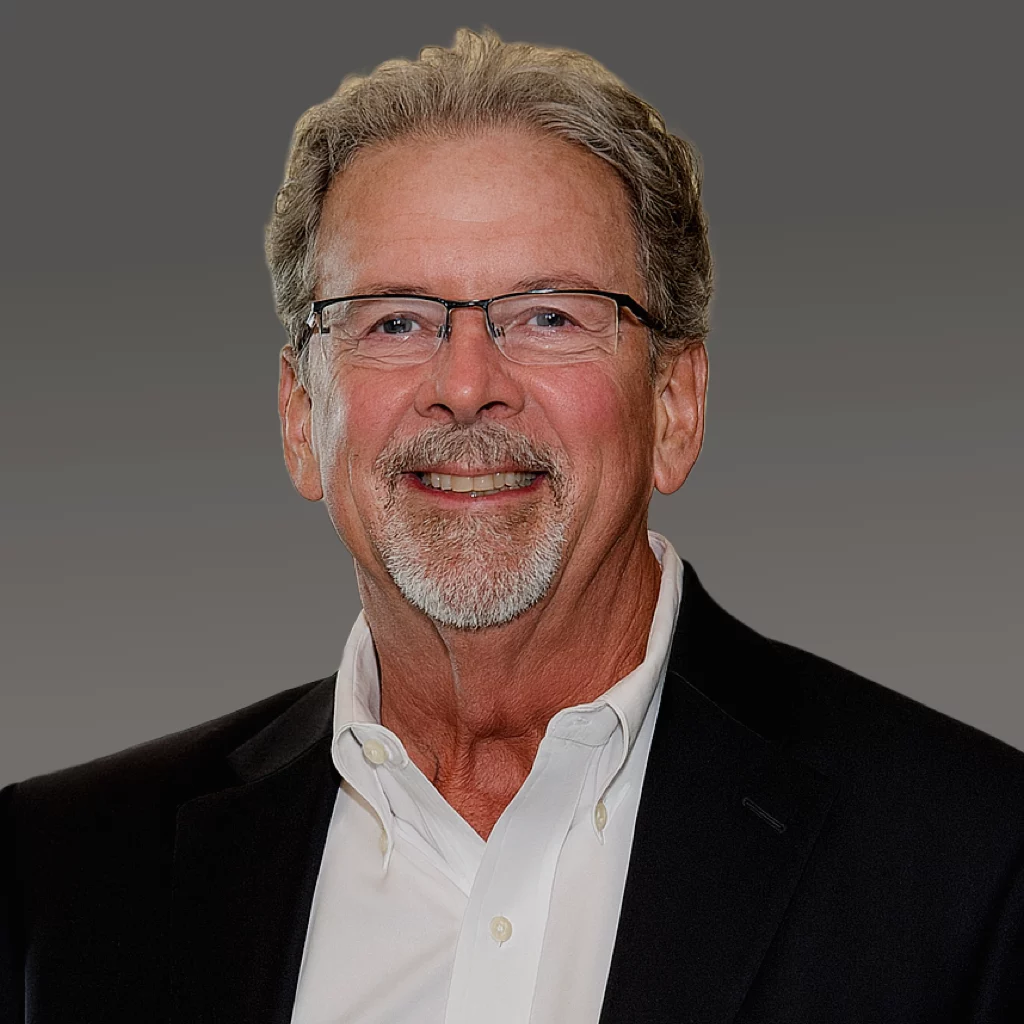
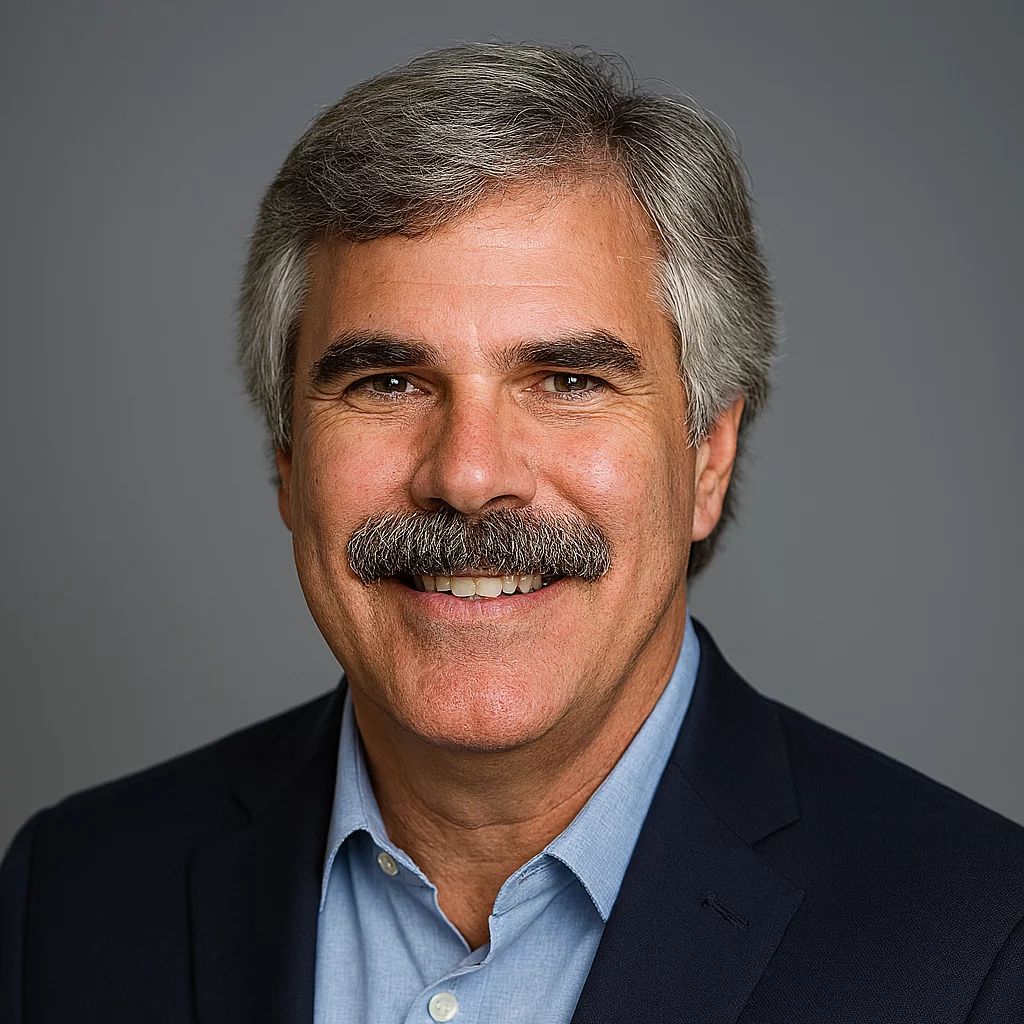
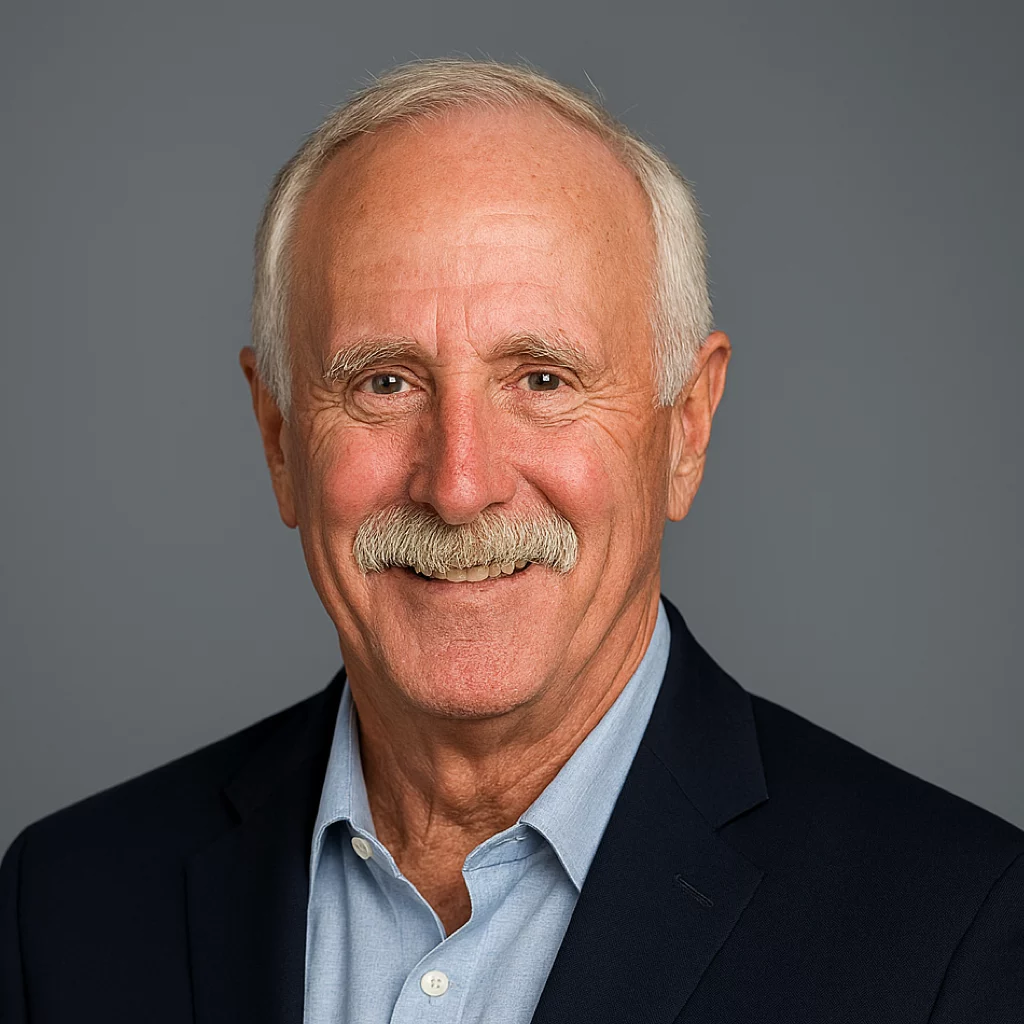
Leadership
Perspective
"
Six thousand meters below the surface, trillions of polymetallic nodules rest on the seabed, containing nickel, cobalt, copper, manganese, and rare earth elements critical to powering the next generation of energy systems, industrial production, and advanced technologies.

Multiple Regulatory Pathways
AOM has achieved full compliance for two exploration applications under the Deep Seabed Hard Mineral Resources Act (DSHMRA). Administered by NOAA, this framework provides a U.S.-regulated route for domestic companies to develop nodules in international waters. AOM's licensed areas encompass over 1.4 billion tonnes of inferred resources, as detailed in S-K 1300-compliant reports.
AOM's progress is supported by Executive Order 14285 (April 2025), which designated offshore critical minerals as a national priority and directed NOAA to expedite licensing.
AOM’s platform includes two licensed exploration projects in the Cook Islands’ Exclusive Economic Zone (EEZ), held through Moana Minerals Ltd. and CIC Ltd. Originally granted by the Seabed Minerals Authority (SBMA).
Together, these two licensed areas encompass 417 million tonnes of indicated resources and over 2 billion tonnes of inferred resources, as detailed in S-K 1300-compliant reports.
U.S. Platform for Industrial Growth
Seabed minerals can support AI infrastructure, data centers, advanced manufacturing, and next-generation energy and industrial systems. AOM is building a U.S.-controlled platform to supply these resources at scale, reducing reliance on foreign sources and strengthening supply chain resilience.
As the United States takes the lead in establishing a new seabed minerals industry, AOM is well-positioned as a scaled U.S. platform with the team, technology, partnerships, and regulatory path to responsibly unlock these resources and support a more secure and diversified critical minerals supply chain.